From “Buying Things” to “Living Life”: The Transformation of Commercial Districts and the Creation of a New Ecosystem for Convenient Living
In today’s rapidly urbanizing world, business districts have long evolved beyond the simple notion of “commercial transaction spaces,” becoming core hubs that connect people’s daily needs and embody the warmth of the city. From the everyday necessities of community residents to the specific demands of the elderly, from the outdoor needs of the new workforce to the expansion of government services, business districts are redefining their roles. Through the integration of diverse functions, they are blurring the lines between business and public welfare, transitioning from mere “consumer spaces” to “convenient living communities.” This shift enables business values and social values to empower and support one another in serving the public, creating a symbiotic relationship that benefits both.Community-oriented Convenience Services: Building the 15-Minute Living Circle.Business districts, as extensions of community life, find their core value in meeting essential needs. When shopping centers shift their focus from simply pursuing sales to embracing community service functions, they integrate shopping, convenience, and social interaction into one seamless experience. This transformation not only reduces residents’ living costs but also fosters a more welcoming and accessible commercial environment.The “commercial + community” fusion model is not just about filling empty stores but also plays a key role in enhancing neighborhood bonds and strengthening community cohesion.
It also provides solid support for building a city’s “15-minute living circle,” where everything residents need is within reach. For example, Shanghai’s Bailian Quyang Shopping Center, a new-generation mall with distinct community features, adopts a “neighborhood culture” business philosophy, offering a variety of services such as a “neighborly service corner,” a small performance stage, a social club, and public art spaces. Additionally, it provides online services like neighborhood shops and live-streaming events, periodically offering community-focused discounts.Friendly Services for the Elderly: Breaking Age Barriers and Activating the Silver Economy.As the aging population grows, the “silver economy” has become a significant aspect of not only commercial opportunities but also social progress. Business districts are proactively adapting to the physical and emotional needs of the elderly. They’ve eliminated mobility barriers through senior-friendly design, while also enriching their social and cultural lives by offering diverse activities. This approach turns seniors from “passive beneficiaries” into “active participants.”This deepened understanding of seniors’ needs has sparked a massive market for products and services aimed at the elderly, while promoting inclusivity and respect. For instance, Shanghai’s Zhonghai Huanyu Mall focuses on social and personal growth for the elderly by providing dedicated rest areas, barrier-free facilities, and smart services. The mall’s “Old Friends Club” hosts photography salons, free movies, and silver-age classes, which are highly popular among seniors.
Similarly, Beijing’s Chang’an Mall has created a 2,300-square-meter “Silver Street,” a shared space that combines living stations, health clinics, community kitchens, and libraries to cater to seniors’ needs for shopping, dining, socializing, and health care. This approach turns business spaces into multifunctional hubs that not only serve as commercial venues but also as comforting, community-driven spaces for seniors.Supporting the New Workforce: Expanding Service Boundaries to Foster Urban Warmth.The new workforce, the “bridge” of urban operations, plays a vital role in the city’s efficiency and warmth. Business districts are opening their spaces to provide targeted services that cater to their specific needs, addressing challenges such as outdoor work conditions and offering a sense of respect and care. This “business + public service” model bridges commercial and social responsibilities, enhancing both the district’s image and its contribution to city governance.For example, Beijing’s Yiti Port offers an “affectionate rest station” at the north gate, providing basic services such as water and heating for outdoor workers, ensuring they can rest and hydrate in extreme weather. Similarly, Chengdu’s Zhonghai Tianfu Mall has built a 50-square-meter “Heart Station” for couriers, sanitation workers, and ride-share drivers, offering essential services like microwaves for meals and charging stations for mobile devices.Innovating Government Services in Business Districts.
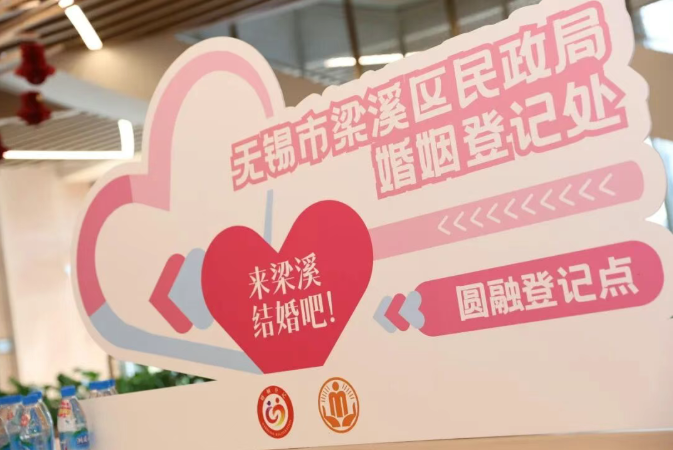
The integration of government services into business districts is a win-win scenario that enhances both public welfare and business efficiency. By removing time and space constraints, government services are now seamlessly incorporated into residents’ shopping and leisure routines, reducing time spent running errands while increasing the efficiency of municipal services. For businesses, government presence brings a steady stream of visitors, enhances credibility, and provides new opportunities for engagement.For instance, Suzhou’s Xincheng Tianjie and O’PARK integrated government services before opening, streamlining procedures and offering personalized support to businesses. In Jinan, the Wangfujing Shopping Center introduced a “Government Service in the Marketplace” initiative, offering services like business license applications and online processing assistance directly within the mall, saving residents from unnecessary trips to government offices.Conclusion: Empowering Communities and Enhancing Urban Living.The integration of public services within business districts marks a shift toward more inclusive, efficient, and community-driven spaces. By combining business objectives with social responsibility, these districts create environments where people’s needs are met in ways that benefit the greater good. As this trend grows, these centers will continue to evolve, fostering a more cohesive, caring, and connected urban experience for all.